Poseidon: sea, horses and a safe passage
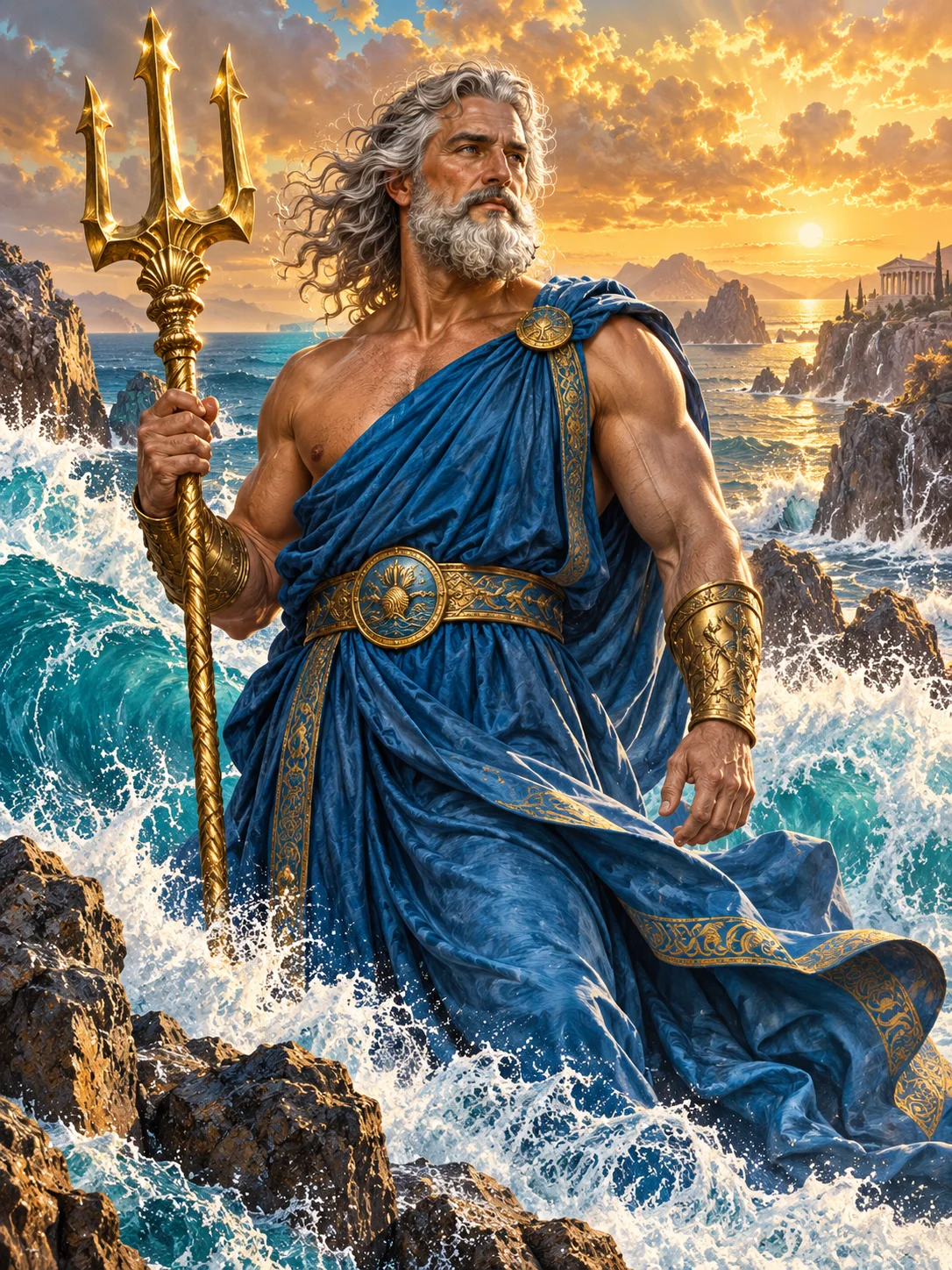
Hymn 22 invokes a god associated with shaking earth and helping ships.
Also known as: Poseidon
Several roles in a short poem
The hymn addresses Poseidon through earth and sea, and assigns him roles involving horses and the protection of ships. It ends by asking him to favour people travelling by sea.
What kind of text is this?
This is praise and invocation, not a report of a particular earthquake or rescue. Keeping the text’s function visible helps distinguish a mythic account from an historical event record.
Claims and evidence
Homeric Hymn 22 connects Poseidon with horses, ships and a request for safe passage
Sources
- Homeric Hymns — Hugh G. Evelyn-White translation
Hymns XXII To Poseidon, XXVII To Artemis, XXVIII To Athena; read each numbered hymn separately.
Source accessed 2026-10-28