Gaia: Earth in divine origins
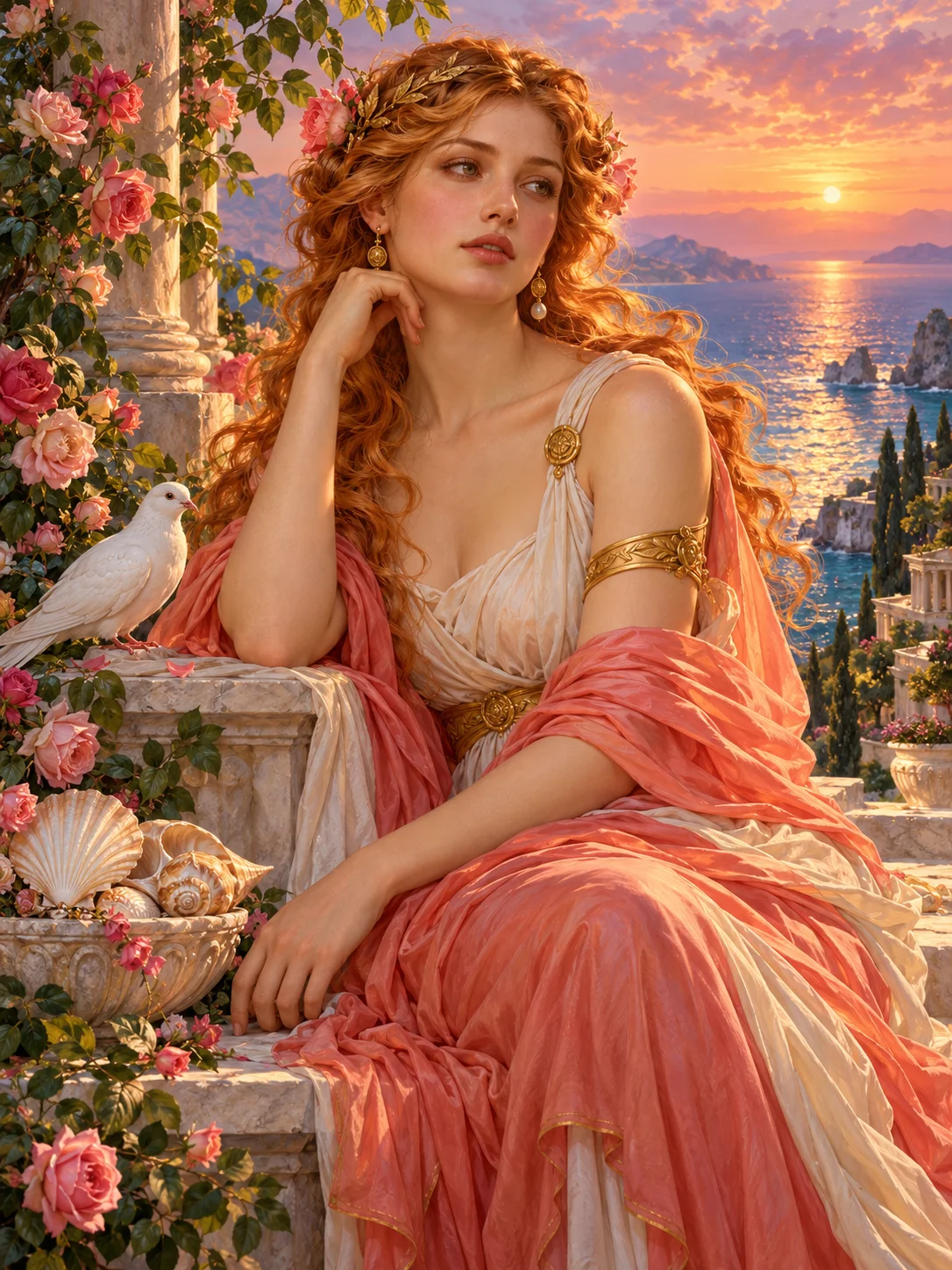
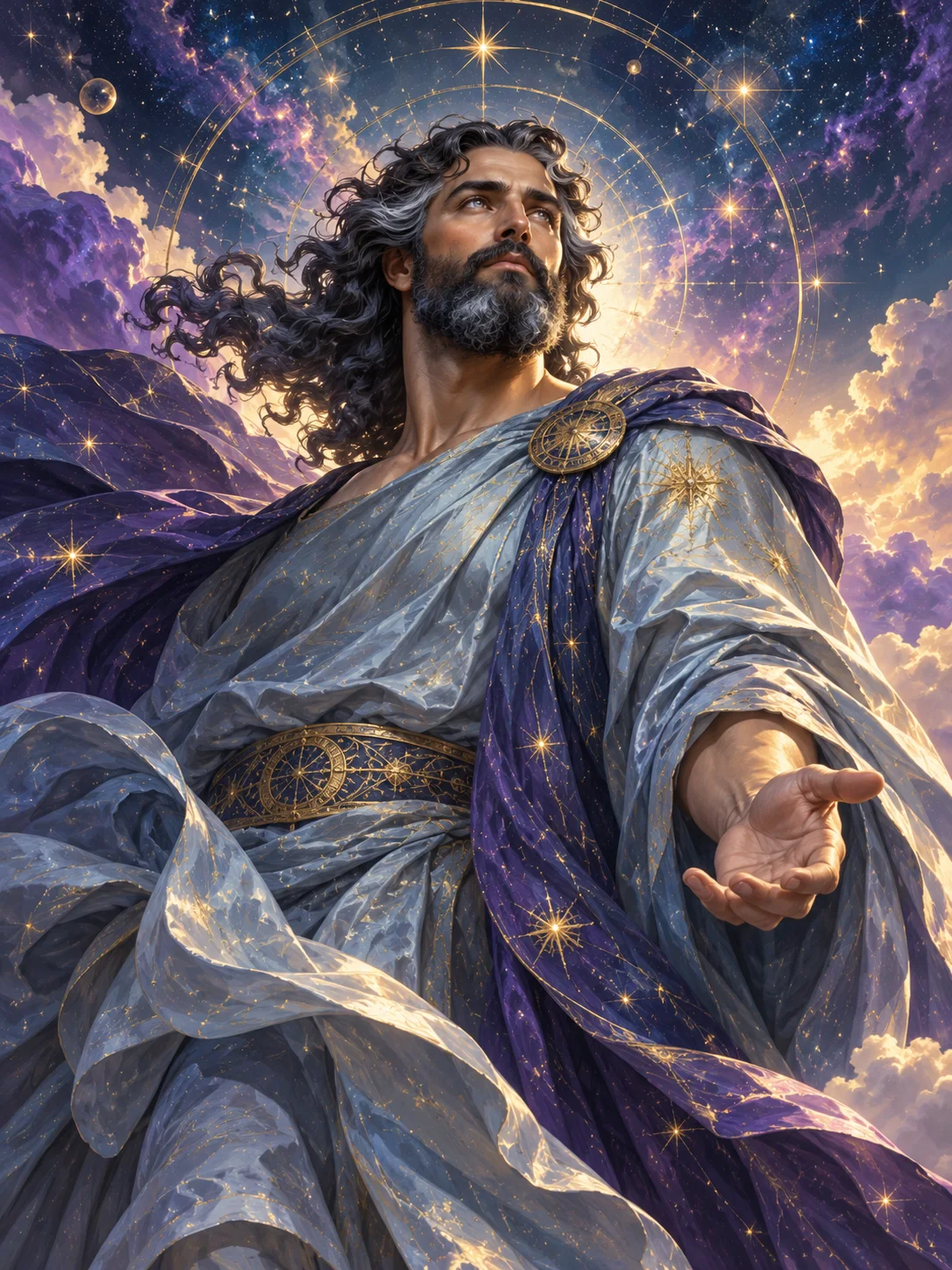
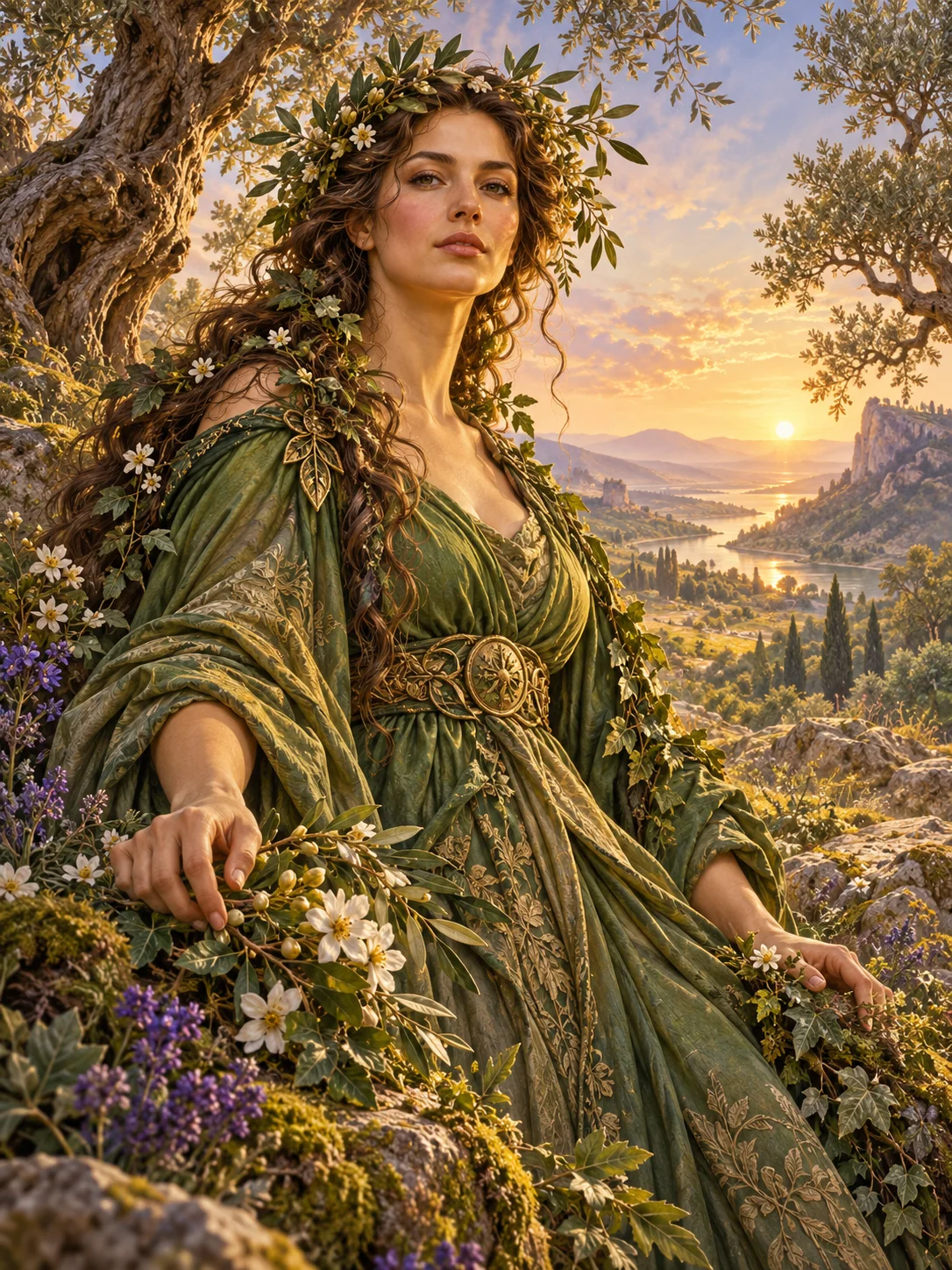
Gaia appears near the opening of Theogony and brings forth Ouranos before the narrative expands into the Titans’ genealogy.
Also known as: Gaia · Gaea · Earth · ไกอา · เกอา
Narrative order is not a calendar date
Hesiod places Gaia among the early beings following Chaos, then describes the origins of sky, hills and sea. These are sequences inside a myth, not dated historical events.
The union of Gaia and Ouranos produces named Titans including Rhea and Kronos. Relationships on this page are limited to Theogony.
Following the links to Ouranos and Kronos reveals how one figure connects several episodes, while each connection retains its source location.
Claims and evidence
Gaia brings forth Ouranos and, with him, is mother of Kronos and Rhea.
Relationships by source version
Sources
- Hesiod, Theogony — H. G. Evelyn-White (1914)
Theogony 116–138
Source accessed 2026-10-28